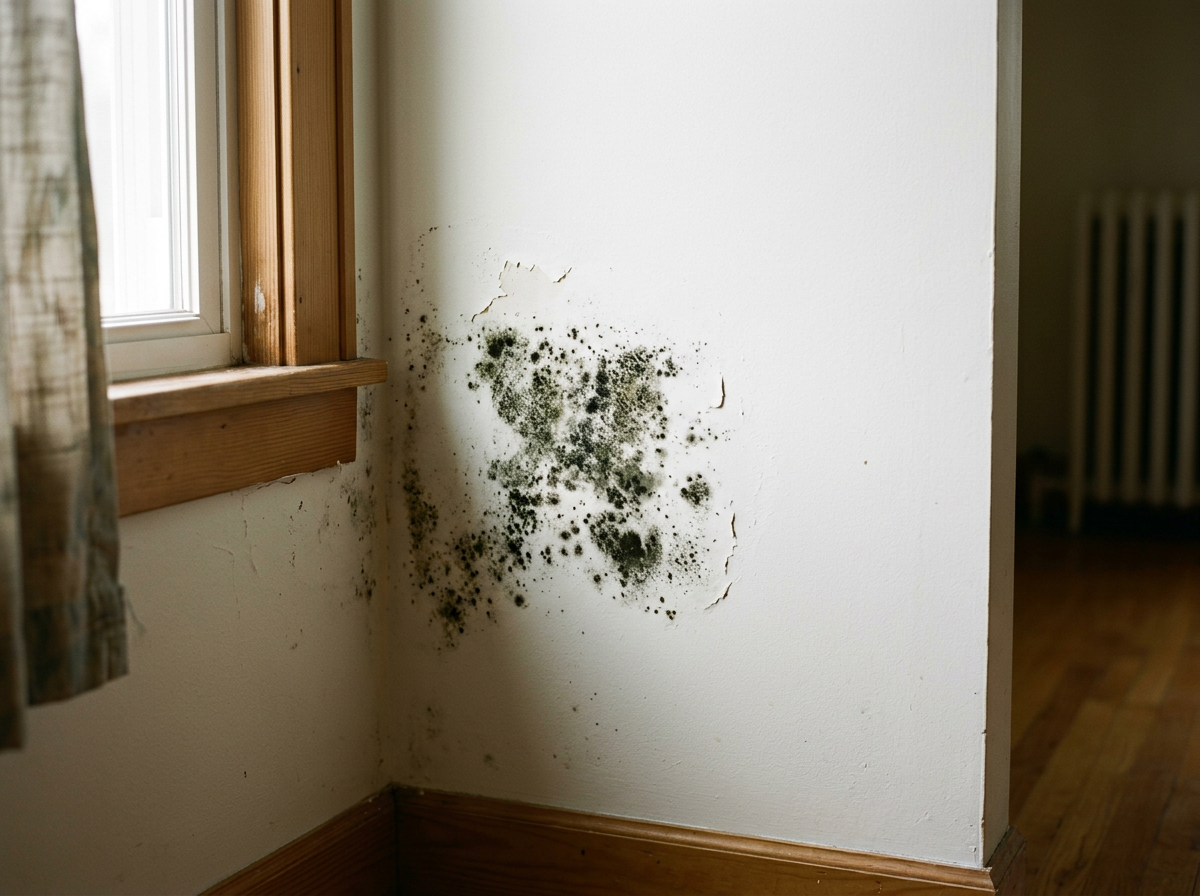
Detecting and Cleaning Mold
Step-by-Step Remediation
Detecting mold begins with identifying clear visual signs, such as discolored patches on walls or ceilings, accompanied by persistent damp, earthy odors, though hidden mold often requires specialized moisture meters, thermal imaging, or air sampling tests to locate. Once detected, the cleanup and remediation process starts by isolating the affected area with plastic sheeting and negative air pressure to prevent spores from spreading to uncontaminated spaces. Dynamic Green Restoration workers will equip protective gear, including N95 masks, gloves, and goggles, to safely scrub non-porous surfaces with specialized antimicrobial solutions, while heavily infested porous materials like drywall or carpet must be completely removed and discarded.
Finally, high-efficiency particulate air (HEPA) vacuums and dehumidifiers are used to thoroughly clean the air, capture remaining microscopic spores, and dry out the space, ensuring the original moisture source is repaired so the mold cannot return.
Dynamic Green Restoration will replace and install any flooring, carpet, drywall or tile needed.